
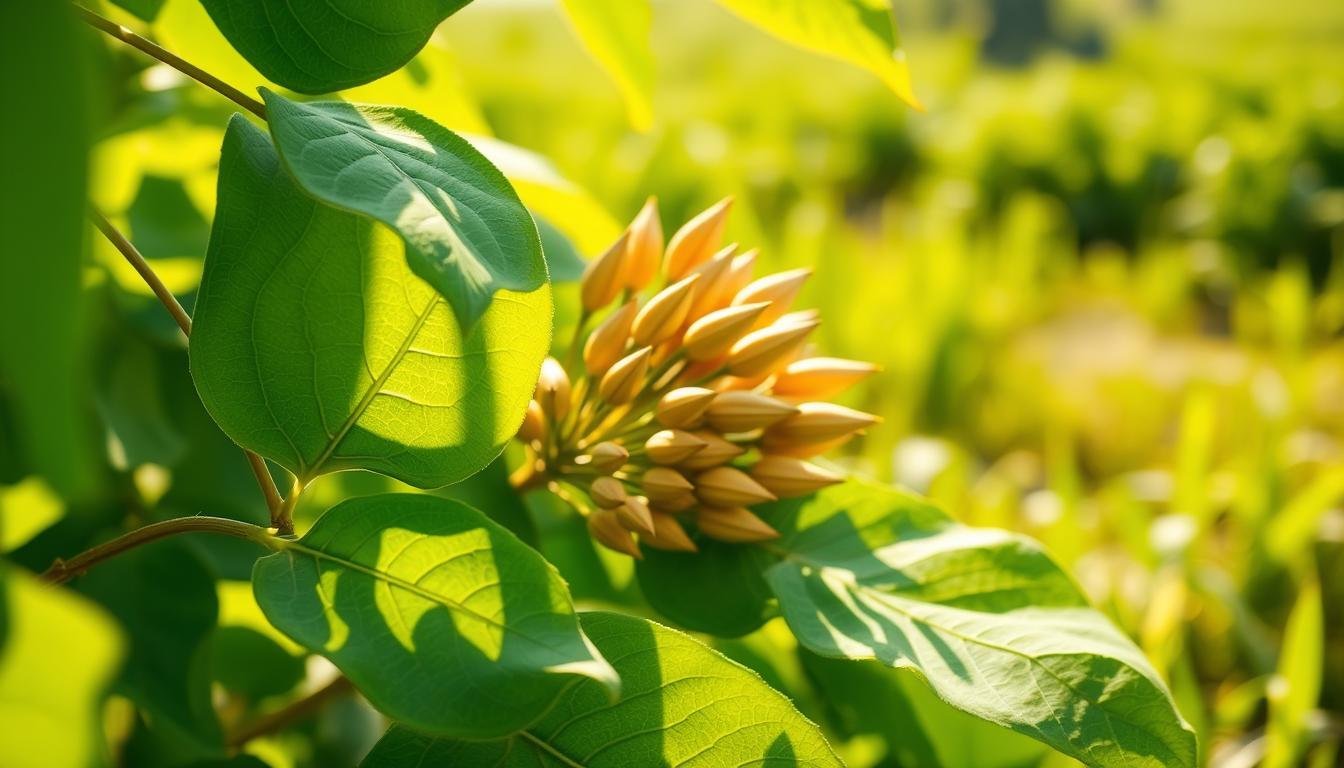
Why is Moringa Banned in Europe? You might have heard that moringa, a plant that is good for your health, is not allowed in some places. This has gotten the attention of health lovers and shoppers all over.
If you look into why it’s illegal, you’ll see that it’s not just the plant. It’s about the rules and how people feel about it. Knowing the pros and cons of moringa and the debate around it helps you understand the world of dietary supplements and their legal status.
Let’s get into the details and find out why moringa is not allowed in Europe. And what does this mean for you if you buy these things?
Contents
- 1 What is Moringa and Its Rising Popularity
- 2 Understanding the European Regulatory Framework
- 3 Why Is Moringa Banned in Europe? The Official Reasons
- 4 Safety and Efficacy Concerns
- 5 Comparing Moringa Regulations Worldwide
- 6 Implications for Consumers and the Moringa Industry
- 7 Understanding the Moringa Ban in Europe
- 8 FAQ: Why is Moringa Banned in Europe?
- 8.1 What is moringa and what are its health benefits?
- 8.2 Why is moringa banned in Europe?
- 8.3 What is the European regulatory framework for dietary supplements like moringa?
- 8.4 How do moringa regulations vary worldwide?
- 8.5 What are the implications of the moringa ban in Europe for consumers?
- 8.6 How does the moringa ban affect the moringa industry?
- 8.7 Are there any alternatives to moringa that are available in Europe?
- 8.8 Can moringa be used as a food ingredient in Europe?
What is Moringa and Its Rising Popularity
The “miracle tree,” moringa, is becoming more popular around the world because of how good it is for your health. It’s the best natural health supplement out there. [Why is Moringa Banned in Europe?]
Moringa oleifera grows in both Africa and Asia. People have used it in traditional medicine for hundreds of years. The leaves, seeds, and pods are good for your health because they help with inflammation and heart health.
People like moringa because it can help with a lot of health problems. It helps the heart and has anti-inflammatory and antioxidant effects. But, like any supplement, it can have side effects, such as making some people have problems with their digestion.
There are a lot of nutrients in moringa. It has vitamins A, C, and E, as well as minerals like iron and calcium. Here is a table that lists some of its most important nutrients:
| Nutrient | Value per 100g | Benefit |
|---|---|---|
| Vitamin A | 756 μg | Supports eye health |
| Vitamin C | 220 mg | Boosts immune system |
| Calcium | 185 mg | Essential for bone health |
It’s important to know the good and bad sides of moringa as its health benefits become more well-known. Knowing what it is good for and how it can help you will help you decide if it is right for you.
Understanding the European Regulatory Framework
Europe has comprehensive sale and distribution rules, including the sale and distribution of dietary supplements such as moringa. How this framework impacts on moringa’s presence in Europe can only be understood in light of this metaschema.
The European Food Safety Authority (EFSA) is crucial for checking the safety of dietary supplements. Through scientific assessment of the scientific literature, it can make sure that these products are in compliance. The European Union also has rules for labeling, manufacturing, and marketing dietary supplements
Here is an outline of important aspects of the European regulations dealing with dietary supplements:
| Regulatory Aspect | Description | Impact on Dietary Supplements |
|---|---|---|
| EFSA Evaluation | Scientific assessment of supplement safety | Ensures safety and efficacy |
| Labeling Directives | Regulations on product labeling | Provides consumer information and transparency |
| Manufacturing Standards | Good Manufacturing Practice (GMP) guidelines | Ensures quality and consistency |
The rules in Europe are meant to protect consumers and make sure that all member states follow the same rules. This framework can sometimes make rules stricter, which can make it harder to find dietary supplements like moringa.
Knowing how the European regulatory system works can help you understand how hard it is to get dietary supplements on the market. This information is very important for everyone involved, including manufacturers, distributors, and consumers.
Why Is Moringa Banned in Europe? The Official Reasons
There are strict rules in Europe that make it illegal to sell moringa, a popular health supplement. The rules in Europe are meant to make sure that food supplements are safe and work. But these rules make it hard for people who make and sell moringa.
There are a few reasons why moringa is banned. These are issues that have to do with science, the law, and policy. One big worry is that moringa could be bad for your health. European regulators are worried because there isn’t enough safety information about it, especially when people eat a lot of it or for a long time.
Safety and Efficacy Concerns
Safety and effectiveness are very important for any food supplement in Europe, including moringa. The EFSA checks these goods. The EFSA is worried that moringa could cause allergies, mess with medicines, or make health problems worse.
| Regulatory Aspect | Description | Impact on Moringa |
|---|---|---|
| Safety Data | Lack of comprehensive safety data | Ban due to potential health risks |
| Efficacy Claims | Unsubstantiated health claims | Regulatory scrutiny and potential fines |
| Labeling Requirements | Strict labeling regulations | Compliance issues for manufacturers |
The table above shows the most important laws that affect moringa in Europe. It’s clear that these rules are hard for manufacturers to follow. [Why is Moringa Banned in Europe?]
There are many reasons why moringa is banned in Europe. Knowing these things helps us understand the rules for moringa and other supplements.
Comparing Moringa Regulations Worldwide
There are a lot of rules for the moringa industry all over the world. Depending on where you live and what the health standards are, these rules may be different. They change how moringa is grown, sold, and eaten around the world. [Why is Moringa Banned in Europe?]
People in the United States think moringa is safe and sell it as a dietary supplement. But other countries have their own rules. For instance, Europe has stricter rules because moringa is a new food.
Let’s look at how moringa is regulated in different places:
| Country | Regulatory Status | Key Requirements |
|---|---|---|
| United States | GRAS, Dietary Supplement | Compliance with FDA guidelines for dietary supplements |
| Europe | Novel Food | Authorization under the Novel Food Regulation (EU) 2015/2283 |
| India | Traditional Medicine | Regulated under the Ayurvedic, Siddha and Unani Drugs Regulations |
| Australia | Listed Complementary Medicine | Compliance with the Australia New Zealand Food Standards Code |
The table shows how much the rules differ from place to place. This tells you something about how culture, health policies and trade all come together. Understanding these differences is vital to both moringa businesses and moringa consumers.
For the moringa industry, these rules mean products must fit local requirements. This can include different labels, packaging and even recipes to meet local health and safety standards. [Why is Moringa Banned in Europe?]
Implications for Consumers and the Moringa Industry
The European ban on moringa has a big impact on both consumers and producers. People in Europe can’t easily find moringa products anymore. People know these products are good for your health because they have antioxidants and anti-inflammatory effects.
You might be curious about how this ban will affect you. You might not be able to buy moringa supplements anymore if you use them. This could change your plans for your health and well-being. The industry also has big problems, like losing money and customers.
# How the economy affects businesses that depend on moringa products
# Not many people can get moringa-based health supplements
# Possible long-term effects on the moringa market around the world
It is important for the moringa industry to follow these rules. Businesses may have to change their products or look for new markets. As a buyer, you might notice changes in what is available and how much it costs.
In short, the moringa ban in Europe has a big effect on both people and the industry. Being aware of these effects can help you make better decisions for your health and well-being. [Why is Moringa Banned in Europe?]
Understanding the Moringa Ban in Europe
You now know why Europe doesn’t allow moringa. The rules in Europe make sure that food, like moringa, is safe and works well. The ban is in place because people are worried about its side effects and more scientific research is needed.
Moringa rules vary around the world. Some places see it as a healthy supplement, while others are more careful because of health risks. This affects how moringa is sold and used.
There is a lot of information about moringa in the discussion. The laws in Europe will keep changing how we can get moringa. To make good choices for our health, we need to stay up to date on these changes. [Why is Moringa Banned in Europe?]
See Also: Why is Pine Tar Banned in Baseball?
FAQ: Why is Moringa Banned in Europe?
What is moringa and what are its health benefits?
Moringa is a plant that grows in India and is full of vitamins, minerals, and antioxidants. It lowers inflammation, makes the heart healthier, and strengthens the immune system.
Why is moringa banned in Europe?
Moringa is banned in Europe due to regulatory issues. These issues include its classification as a novel food and concerns over safety and efficacy. [Why is Moringa Banned in Europe?]
What is the European regulatory framework for dietary supplements like moringa?
The European Food Safety Authority (EFSA) is in charge of dietary supplements like moringa. They have strict rules and laws to make sure these goods are safe and of good quality. [Why is Moringa Banned in Europe?]
How do moringa regulations vary worldwide?
The rules about moringa are different in different parts of the world. In the US, it’s sold as a health supplement. But in Europe, it’s against the law because the rules are stricter.
What are the implications of the moringa ban in Europe for consumers?
Since of the moringa ban in Europe, people can’t buy moringa products. This makes it harder for them to get its health and nutritional benefits. [Why is Moringa Banned in Europe?]
How does the moringa ban affect the moringa industry?
The ban on moringa in Europe has a big effect on the economy of the industry. It makes it harder to get into the market and can hurt the people who grow and sell moringa.
Are there any alternatives to moringa that are available in Europe?
Yes, Europe offers alternatives to moringa. Options include turmeric, ginger, and other herbal supplements that offer similar health benefits. [Why is Moringa Banned in Europe?]
Can moringa be used as a food ingredient in Europe?
People in Europe can use moringa as a food. But it must still follow the rules that apply. This means getting the green light as a new food or following certain rules for traditional foods.

Marcellus Stark is an investigative journalist from San Francisco, USA. He writes about global bans, rules, and unusual laws. He shares clear, interesting, and well-researched stories that help readers understand surprising facts worldwide.