
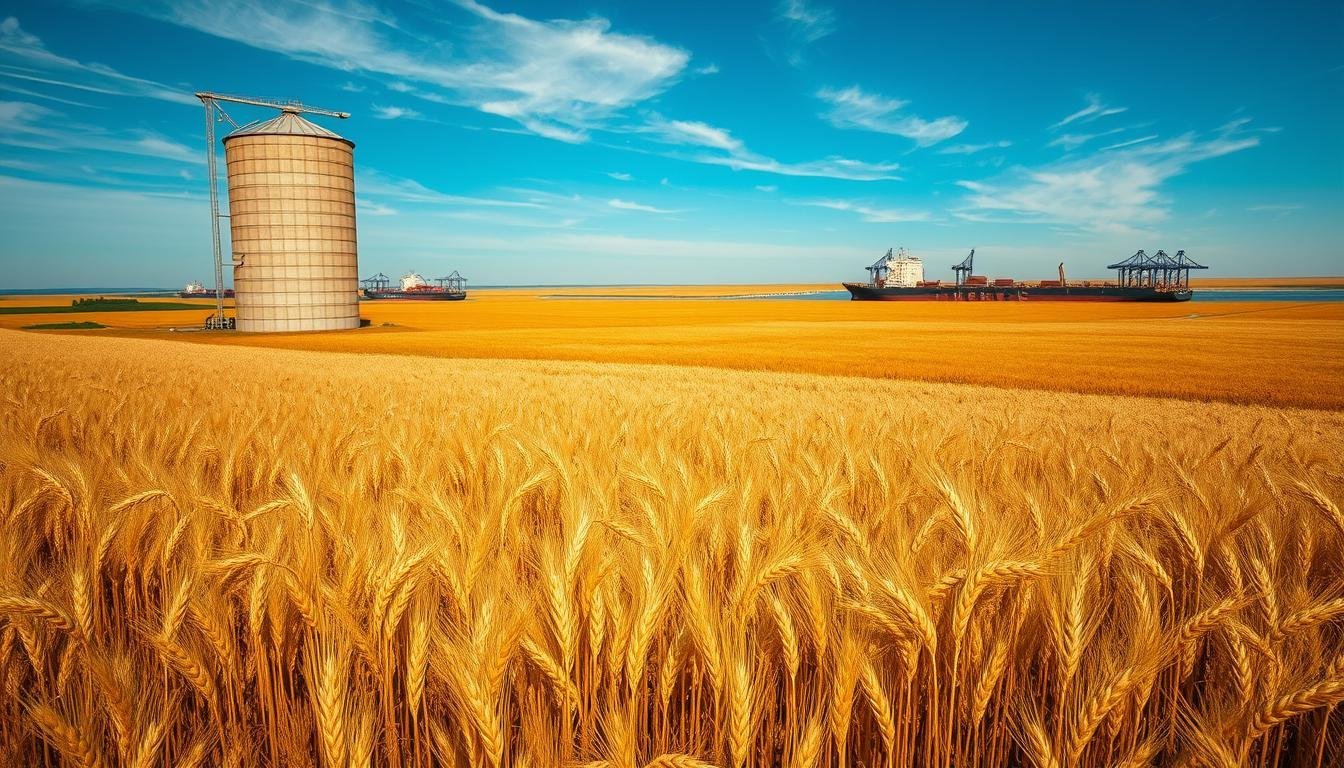
Why Is American Wheat Banned in Europe? You might be shocked to find out that Europe has strict rules about US wheat exports. This is because there are strict rules about food safety.
There are strict rules in the European Union about GMOs and pesticide residues. These rules change how US wheat can be brought into the country. Because of this, the US has sent a lot less wheat to Europe.
You need to know why these rules are in place. The difference in food safety rules between the US and Europe has a big effect on business and trade.
Contents
- 1 The Current Status of American Wheat in European Markets
- 2 Understanding Why Is American Wheat Banned in Europe
- 3 Agricultural Practices: US vs. Europe
- 4 The Glyphosate Controversy
- 5 GMO Regulations and Their Impact
- 6 Health and Safety Concerns for Consumers
- 7 Economic and Trade Implications
- 8 Conclusion: Why Is American Wheat Banned in Europe?
- 9 FAQ
- 9.1 Why is American wheat banned in Europe?
- 9.2 What is glyphosate, and why is it a concern?
- 9.3 How do GMO regulations in Europe impact American wheat imports?
- 9.4 What are the economic implications of the ban on American wheat?
- 9.5 How can consumers make informed choices about wheat products?
- 9.6 Are there any differences in wheat quality between the US and Europe?
- 9.7 Can American wheat be made compliant with European regulations?
The Current Status of American Wheat in European Markets
Have you ever thought about how American wheat does in European markets? The European Union has strict rules about wheat imports, especially when it comes to glyphosate residues.
American farmers use glyphosate a lot as a weed killer. The rules for wheat in Europe are stricter, so there is less glyphosate residue than in the US. [Why Is American Wheat Banned in Europe?]
These rules are very important for American wheat exporters. Here are some key points:
# Since the EU is being careful with glyphosate, there are stricter limits on food products.
# Wheat from the US, which is often treated with glyphosate, might not meet EU standards.
# It’s hard for US wheat exporters to follow European rules.
It’s important to know these rules for trading wheat across borders. Knowing these differences helps with trade deals and the US-Europe economy.
Understanding Why Is American Wheat Banned in Europe
A lot of people want to know why Europe doesn’t allow American wheat. It’s important to know where it came from. The main point of the argument is genetically modified organisms (GMOs) and the differences in farming between the US and Europe. [Why Is American Wheat Banned in Europe?]
Key Events Leading to the Ban
The issue began with GMO wheat in the US. Europeans were worried about GMO wheat in exports, even though it isn’t very common. When GMO wheat was found in an Oregon field in 2013, it was a big deal.
This event made Europeans even more worried about the safety and rules of American wheat. Unlike the US, Europe is very strict about GMOs. Because of these different rules, American wheat is now banned.
Glyphosate, a herbicide used in American farming, is another big problem. Glyphosate on wheat fields, especially for “desiccation,” is bad for health and the environment in Europe. European countries are careful about wheat imports that might have glyphosate in them.
It’s important to know the main events and worries that led to the ban on American wheat in Europe. This problem isn’t just about trade. There are also big differences in the rules and how farms work.
Agricultural Practices: US vs. Europe
Did you know that farming is done differently in the US and Europe? These differences have an impact on how wheat is grown and sold. The two have very different ways of farming, rules, and crop management.
Farmers in the US want to get the most out of their crops and use the newest tools. They often farm on a big scale. Europe, on the other hand, cares about farming that is good for the environment. There are strict rules about how to use pesticides and herbicides.
Another big difference is genetically modified organisms (GMOs). The US uses genetically modified wheat to boost crop yields and fight diseases. But Europe is more careful with GMOs. A lot of European countries don’t grow GMO crops at all. [Why Is American Wheat Banned in Europe?]
Here’s a quick look at some key differences in farming between the US and Europe:
| Aspect | US | Europe |
|---|---|---|
| GMO Use | Widely adopted | Strictly regulated, many countries opt out |
| Pesticide Use | Less restrictive regulations | Stricter regulations, emphasis on organic practices |
| Farm Size | Large-scale farming common | Smaller, family-owned farms more prevalent |
These differences in farming cause trade arguments and tensions between the US and Europe. Understanding these differences helps us understand the wheat market around the world better.
The Glyphosate Controversy
The glyphosate debate is very important when trying to figure out why Europe doesn’t allow American wheat. Glyphosate is a common herbicide in the US, but it has been linked to health problems. This has sparked a big debate about whether or not it should be used in farming.
Glyphosate is used to grow wheat in the US. It helps keep weeds in check and makes crops bigger. But Europeans are worried about its presence on wheat because they think it could be bad for their health. [Why Is American Wheat Banned in Europe?]
Studies show that glyphosate may raise the risk of cancer and other health problems. European officials are now very careful about glyphosate because of this. They’re putting stricter rules in place for how to use it.
The discussion about glyphosate isn’t just about health. It also has to do with how we farm and use chemicals. People want food that doesn’t have glyphosate in it as they learn more about it.
Some farmers in the United States are now looking for new ways to take care of their crops and weeds. This could mean big changes in the way we grow crops. [Why Is American Wheat Banned in Europe?]
GMO Regulations and Their Impact
Did you know that rules about GMOs affect the trade of wheat between the US and Europe? The European Union has strict rules about GMOs, or genetically modified organisms. This has a big effect on American wheat exports.
People have changed the genes of living things to make GMOs. The rules about GMOs in the US are not as strict as they are in the EU. The EU’s careful process for approving GMOs means that GMO crops aren’t being used as quickly as they could be.
Because of Europe’s strict rules about GMOs, wheat trade is affected. Some American wheat, for instance, is made to fight diseases or pests. But the EU might not let these kinds in because it has strict rules about GMOs.
- The EU’s cautious approach to GMOs means stricter rules.
- American wheat sent to Europe might have GMOs not okayed in the EU.
- European markets prefer non-GMO wheat, which limits US exports.
This means that American wheat sellers have to follow EU rules, which can be hard. Exporting wheat is harder and more expensive because it has to be separated into GMO and non-GMO types. To keep their share of the European market, US exporters need to know these rules.
Health and Safety Concerns for Consumers
We need to know how American wheat affects our health. As a buyer, you want to make sure that the food you buy is safe and of good quality. There are a lot of health concerns about American wheat, especially when it comes to glyphosate and GMOs. [Why Is American Wheat Banned in Europe?]
Some ways of farming in the U.S. are different from those in Europe. There are stricter rules in Europe about GMOs and glyphosate. This has an impact on the quality and safety of wheat. This information helps you make better health choices.
Think about these steps to help you make good choices:
# Choose organic or non-GMO foods instead, as they have stricter rules about glyphosate and GMOs.
# Support farmers in your area who may have to follow stricter rules.
# Stay up to date on the latest rules and research about American wheat.
You can stay healthy by doing these things. It’s also important to ask for clearer labels and stricter rules for farming. The industry can change because of your choices and what you know.
Economic and Trade Implications
The ban on American wheat has a big impact on the economies of both the US and Europe. The US is looking for new places to sell its wheat because of this. [Why Can’t Europeans Eat American Wheat?]
There will be more trade between the US and countries in Asia and Africa. This could help the US’s trade with these areas grow. But Europe will have to either pay more for wheat or change how they grow it to follow their own rules.
The trade war has big effects, making the already tense relationship between the US and Europe over farm trade even worse. This ban doesn’t just affect farms; it also affects making and processing food.
You need to see the big picture. The ban doesn’t just hurt wheat; it also has a big impact on the world economy. It affects trade balances and prices. It’s important for everyone involved to keep an eye on these changes.
The ban on American wheat is a good example of how complicated global trade is. It’s clear that these changes have an effect on many parts of the world and its policies as we deal with them.
Conclusion: Why Is American Wheat Banned in Europe?
You now know why Europe doesn’t allow American wheat. The main reason for this ban is that farmers use different methods. Glyphosate and GMOs are used more in the US than in Europe. The rules for food safety in Europe are stricter.
The ban has a big effect on trade and the economy in the US. It has an effect on the whole economy, not just farming. The US needs to change how it farms to meet European standards. [Why Can’t Americans Buy Wheat in Europe?]
We can learn more about international trade and food safety by learning about the wheat ban. European rules are in place to protect people. The ban shows how the US and Europe make and keep food safe in different ways.
See Also: Why is Doona Banned in Canada?
FAQ
Why is American wheat banned in Europe?
American wheat is banned in Europe because of worries about farming methods. These include the use of glyphosate and genetically modified organisms (GMOs).
What is glyphosate, and why is it a concern?
Glyphosate is a weed killer that American farmers use. People in Europe are worried about its health risks. They think it could lead to cancer and other health issues.
How do GMO regulations in Europe impact American wheat imports?
GMO rules are very strict in Europe. A lot of American wheat has GMOs. Because American wheat doesn’t meet European GMO standards, it’s hard to sell there.
What are the economic implications of the ban on American wheat?
The ban on American wheat hurts both the US and Europe. American farmers lose export chances. Meanwhile, Europeans might see higher wheat prices and less supply. [Why Is American Wheat Banned in Europe?]
How can consumers make informed choices about wheat products?
People can pick wheat products that say “GMO-free” or “organic.” These are more likely to follow the rules in Europe. They should also find out where the wheat comes from and how the farm works.
Are there any differences in wheat quality between the US and Europe?
Yes, the quality of wheat is different in the US and Europe. The weather, farming methods, and soil are all to blame. People often think that European wheat is of higher quality because the rules and standards are stricter. [Why Is American Wheat Banned in Europe?]
Can American wheat be made compliant with European regulations?
American wheat farmers can follow the rules in Europe. They could stop using glyphosate and steer clear of GMOs. But this would mean that they would have to make big changes to how they farm. It could also make their costs go up and make them less competitive.

Marcellus Stark is an investigative journalist from San Francisco, USA. He writes about global bans, rules, and unusual laws. He shares clear, interesting, and well-researched stories that help readers understand surprising facts worldwide.